 Back
Back
2000
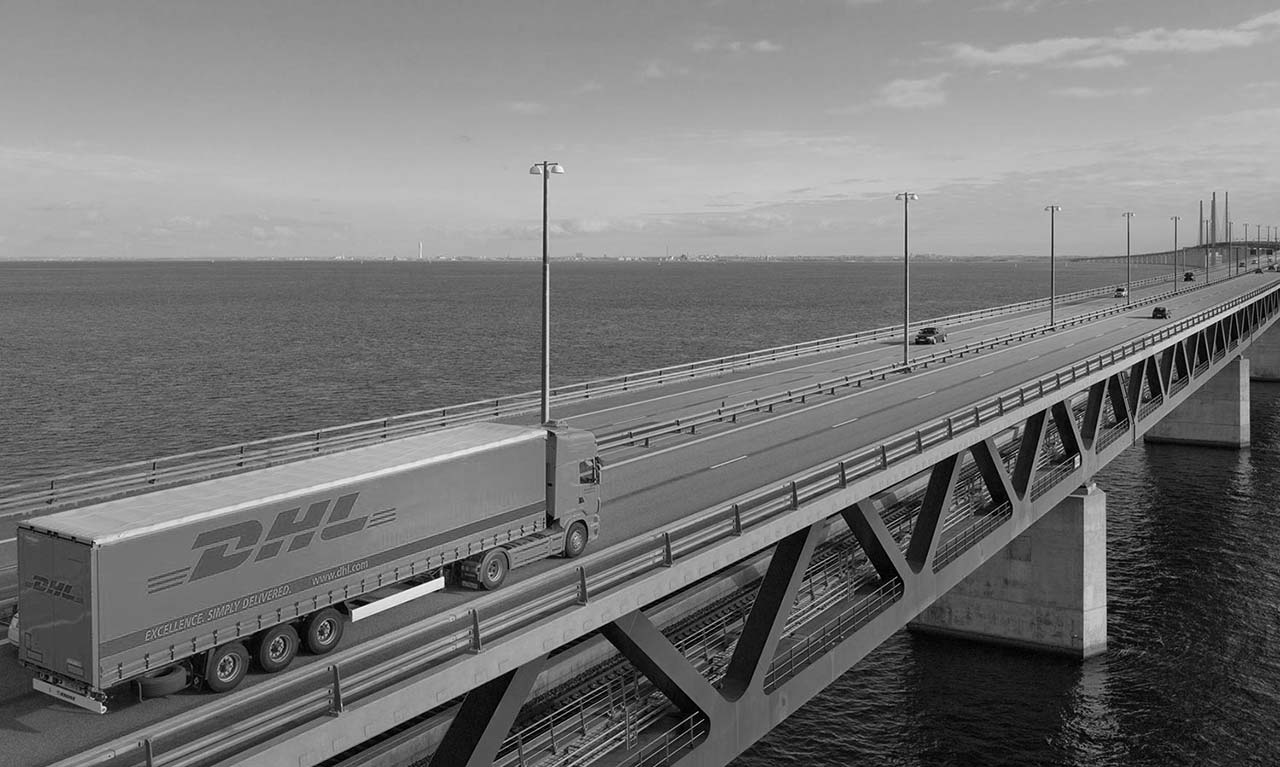
REDUCTION OF CUSTOMS DUTIES
One of the important decisions taken by the EDB after its establishment was to reduce customs duties in order to support the economic exchange between the Kingdom of Bahrain and key trade partners.
2001
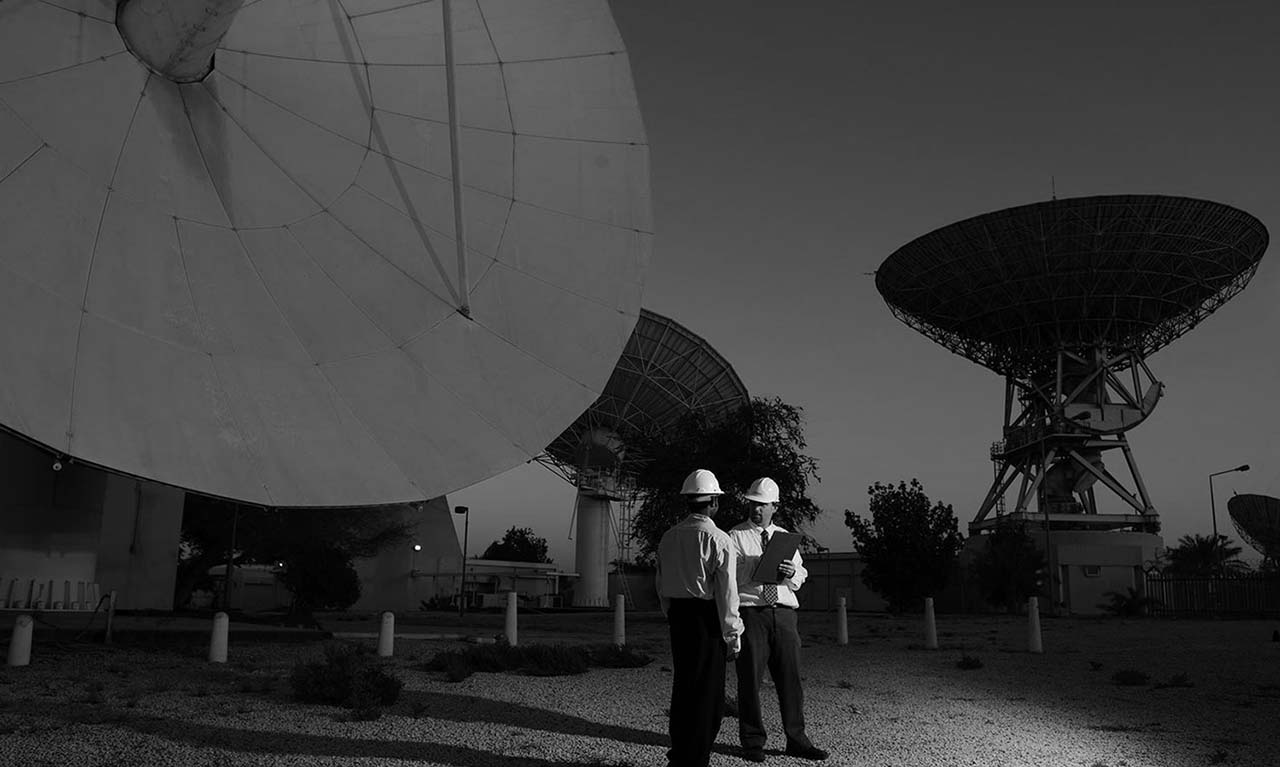
TELECOMMUNICATIONS REGULATORY AUTHORITY
The telecommunications sector was liberalized through the establishment of the Telecommunications Regulatory Authority (TRA), allowing users greater access to services and more diverse choices.
2002
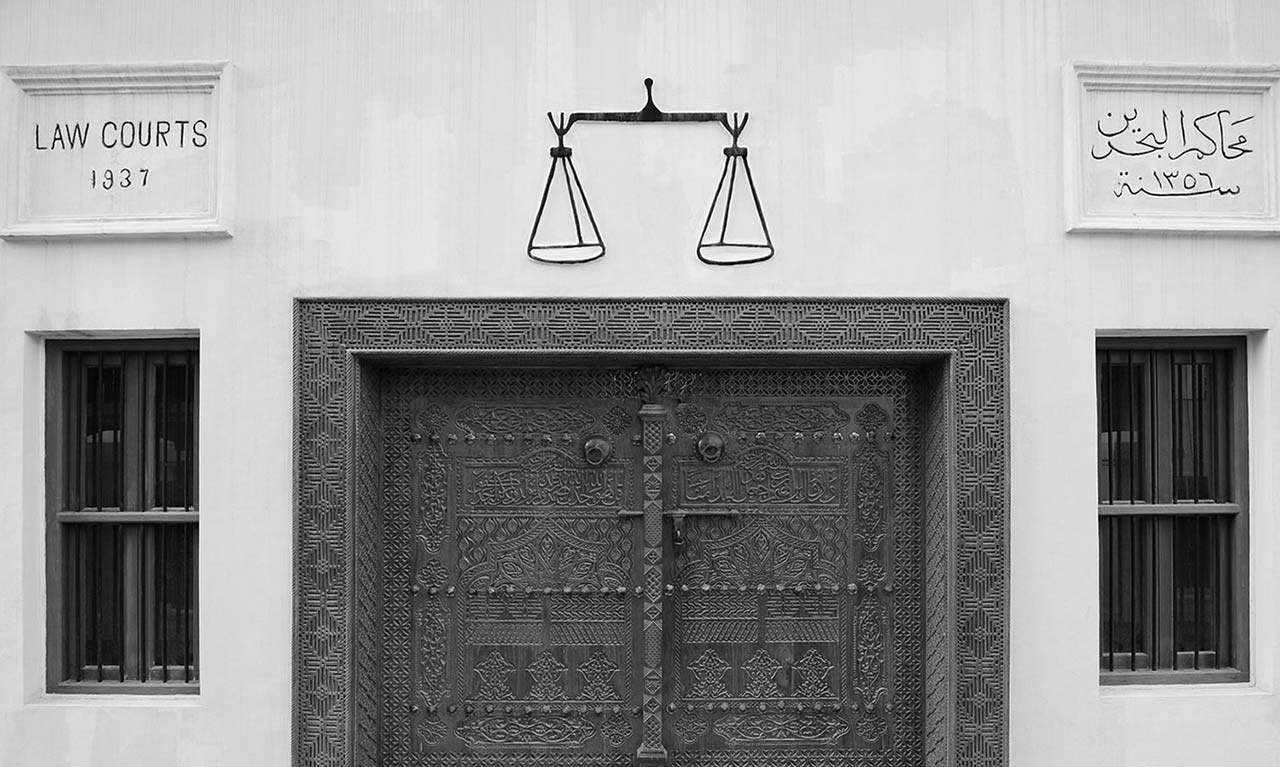
DEVELOPING THE LEGAL FRAMEWORK
In order to pursue economic reform, a number of laws and decrees had to be established.These included the decree for law no. 48 of 2002, promulgating the Telecommunications Law; thedecree for law no. 41 of 2002 on the privatization of policies and controls; and thedecree for law no. 16 of 2002 promulgating the Law of the National Audit Court. The Bahrain Monetary Authority (now the Central Bank of Bahrain), also becamethe single, unified regulator for the financial sector.
2003

ESTABLISHMENT OF THE BAHRAIN TENDER BOARD
The Bahrain Tender Board was established to oversee and supervise all tendering, purchasing and awarding processes related to the public sector and government owned organizations and to ensure transparency, fairness and equal opportunities across all public sector and government transactions
2004
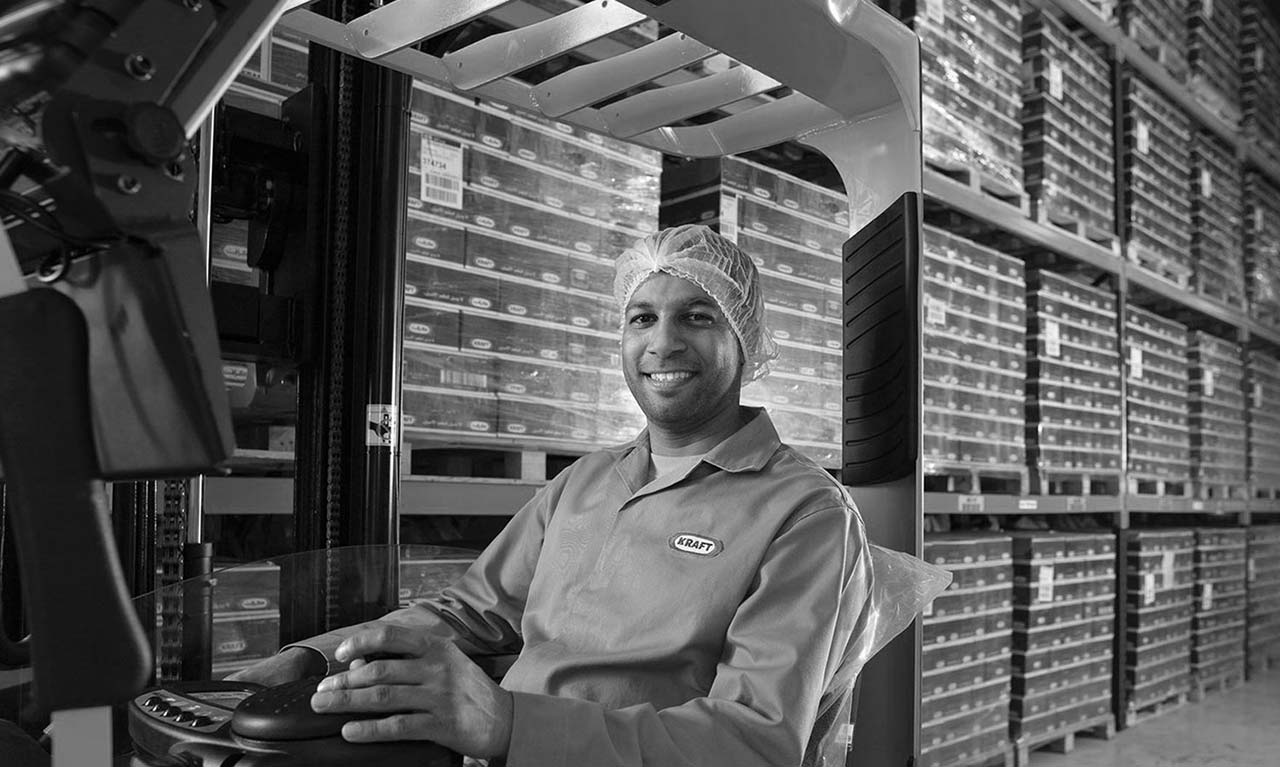
LABOUR MARKET REFORM
The economic and labour market reforms conducted by the EDB are demonstrated by the establishment of the Labour Market Regulatory Authority (LMRA), to regulate the market and improve the performance of local enterprises.
2004
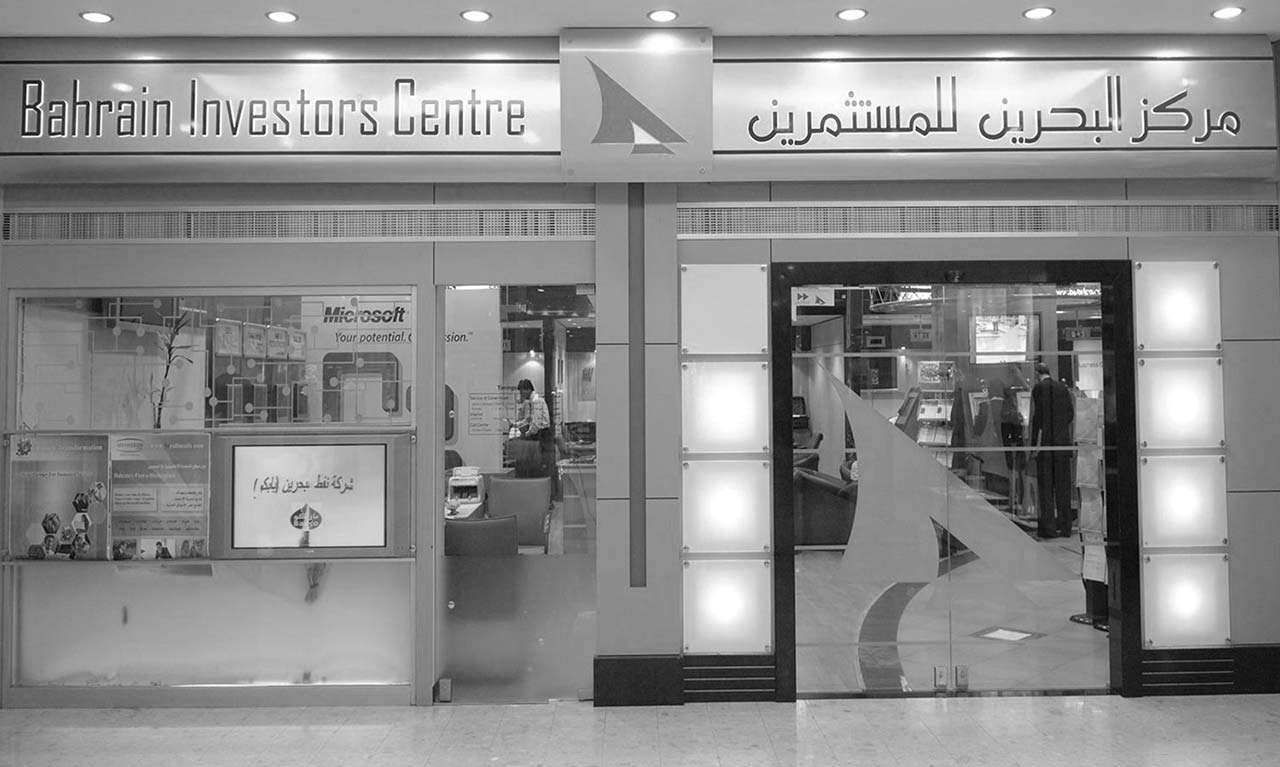
bahrain investors centre
The EDB worked with the Ministry of Industry and Commerce and a number of government entities to develop and enhance the Bahrain Investors Centre to facilitate licencing services and registration for both domestic and foreign private companies looking to establish offices in Bahrain.
2005
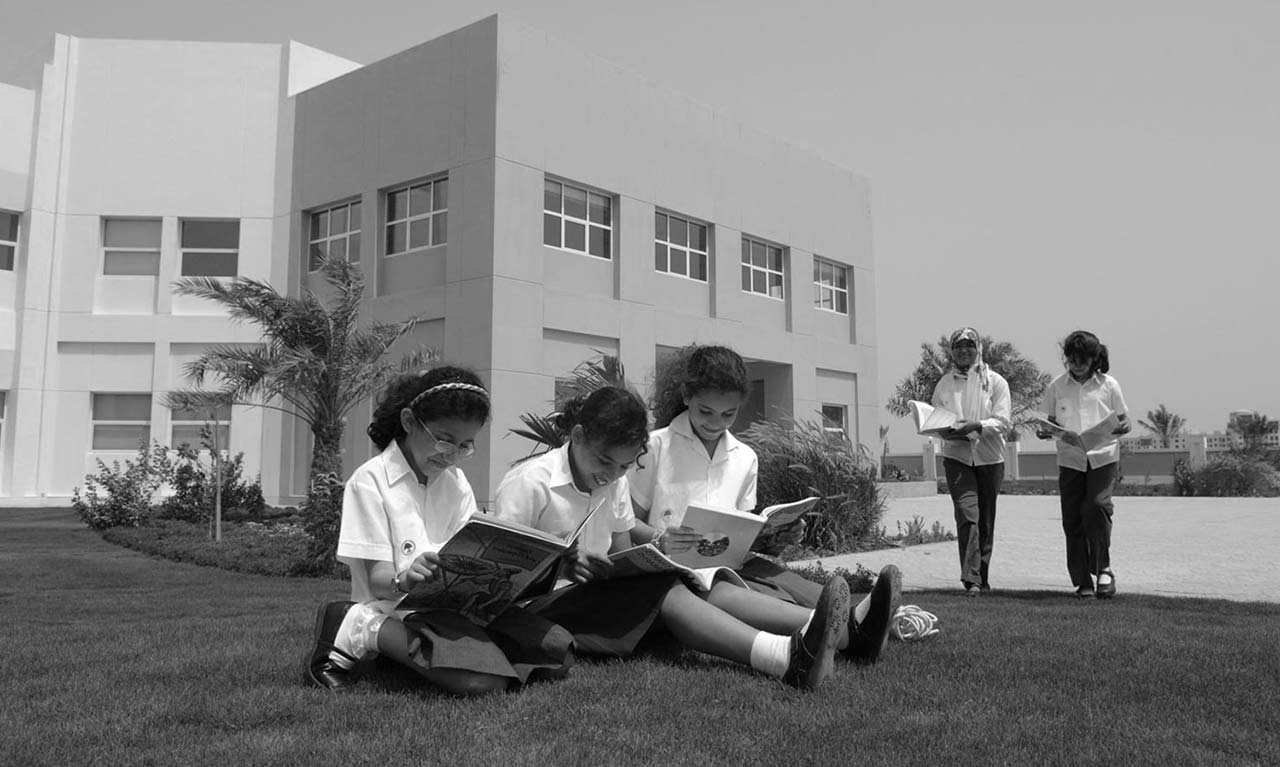
EDUCATION REFORM INITIATIVES
The launch of the Quality Assurance Authority for Education and Training (QAAET), an independent body for quality assurance purposes, responsible for monitoring the performance of all educational and training institutions, private and governmental organisations, as well as publication of their reports and submission to the cabinet to take appropriate development actions.
2005
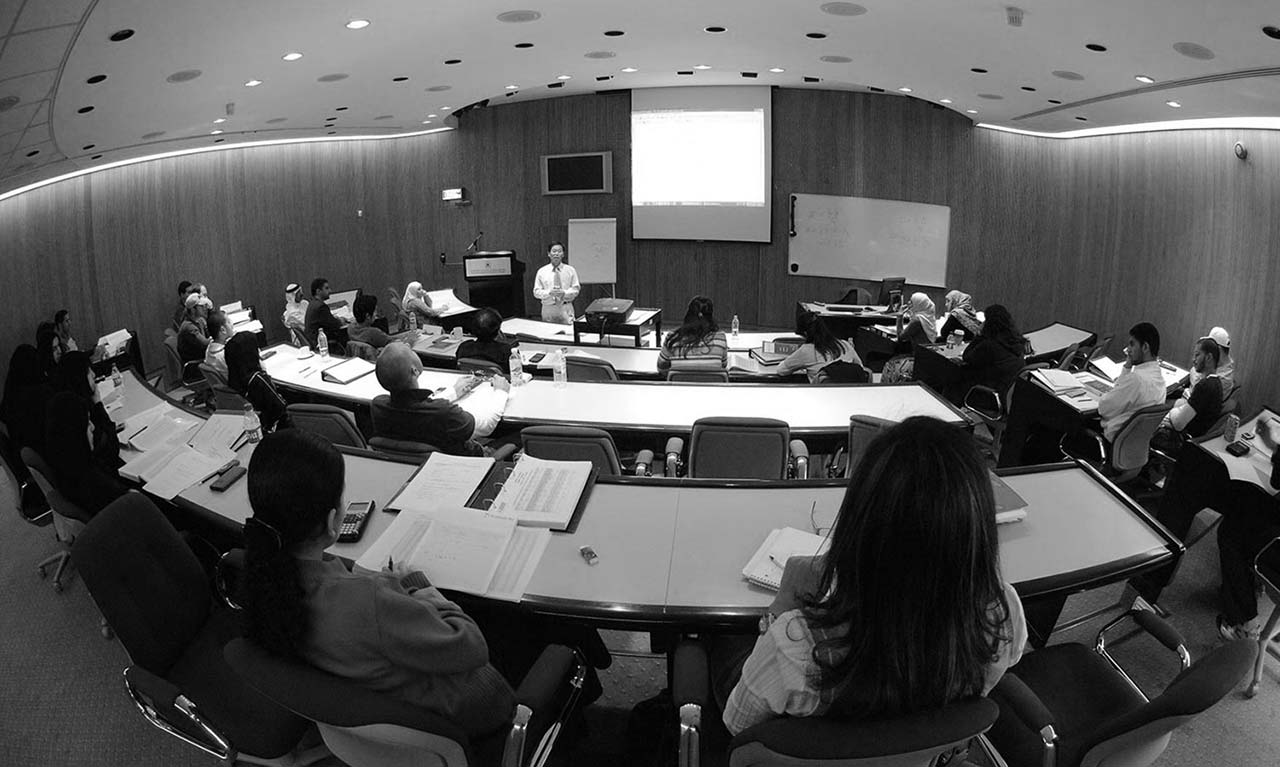
STRATEGIC MASTER PLAN
n close coordination with over fifty stakeholders, the EDB held more than 300 formal meetings and workshops over the course of two years of intensive studies, during which the Board consulted with around 500 experts and administrators from 188 different institutions. The strategic planning team members, comprising planners, civil engineers, architects, economists and other experts, worked together to develop ten strategies for the key sectors, constituting a comprehensive national strategy for the development of the Kingdom through to 2030.
2005
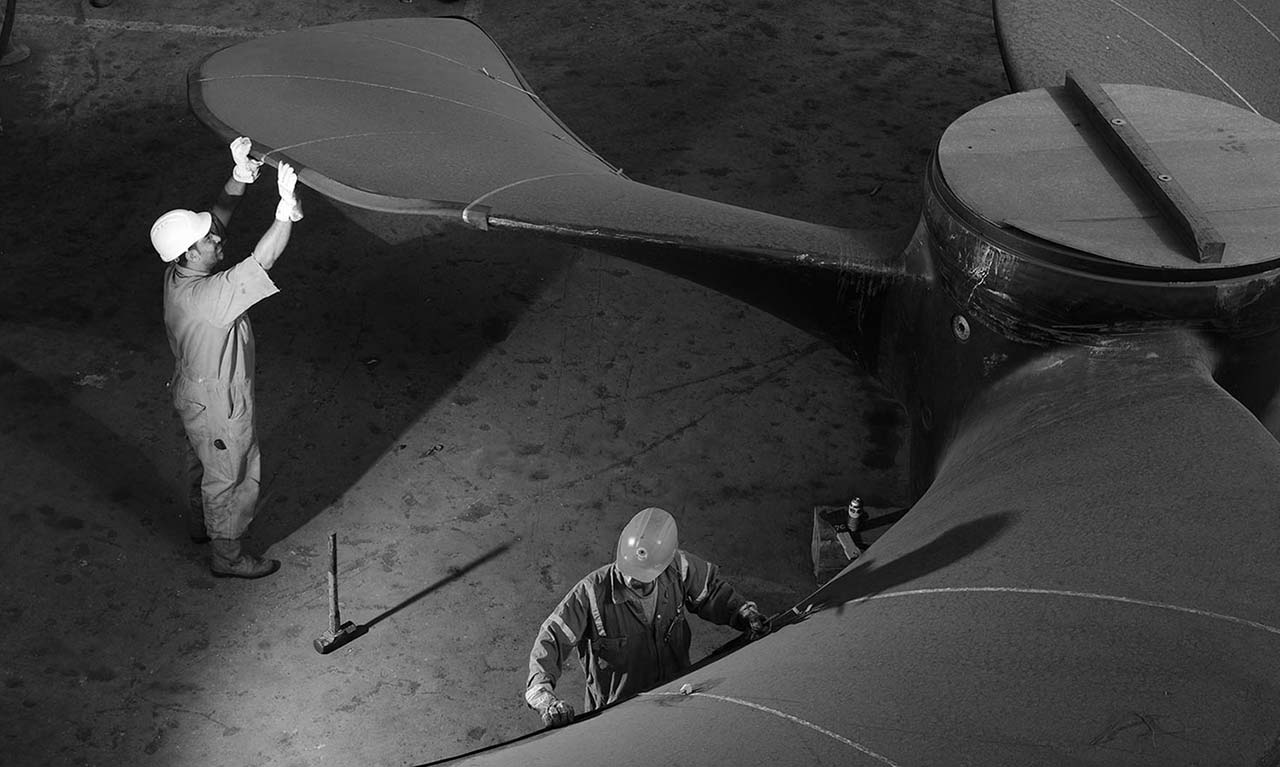
INDUSTRIAL POLICY
In cooperation with the Ministry of Industry and Commerce and the private sector, the EDB developed an industrial policy that is aligned with the needs of the 21st Century - addressing the need to create a culture of innovation, attract technology and build local productive capacity.
2006
THE HIGHER COMMISSION OF PRIVATISATION
Privatisation projects that the EDB contributed to implementing include the privatisation of Seef Properties, the operation and management of the Khalifa Bin Salman Port and the privatisation of some electricity generating plants.
2006
TOURISM SECTOR REFORM
The EDB developed a vision for the future of the Kingdom as a destination for tourism, leisure and business and delivered its plan to the Ministry of Information . The plan also focused on strengthening the supporting infrastructure for the tourism sector including the expansion of Bahrain International Airport, improving the road network and enhancing the efficiency of customs procedures to support growth in these areas. This year also saw the launch of the annual Spring of Culture festival.
2006

SUPPORT FOR SMALL AND MEDIUM-SIZED ENTERPRISES
The EDB helped raise the Bahrain Development Bank's (BDB) capital from BD10 million to BD50 million and also facilitated funding from the World Bank. There were also improvements in the services provided and conditions applied, in addition to improvements in the operations of the BDB and increasing awareness in Bahrain of the presence of such opportunities and services.
2006
BUSINESS TOURISM STRATEGY
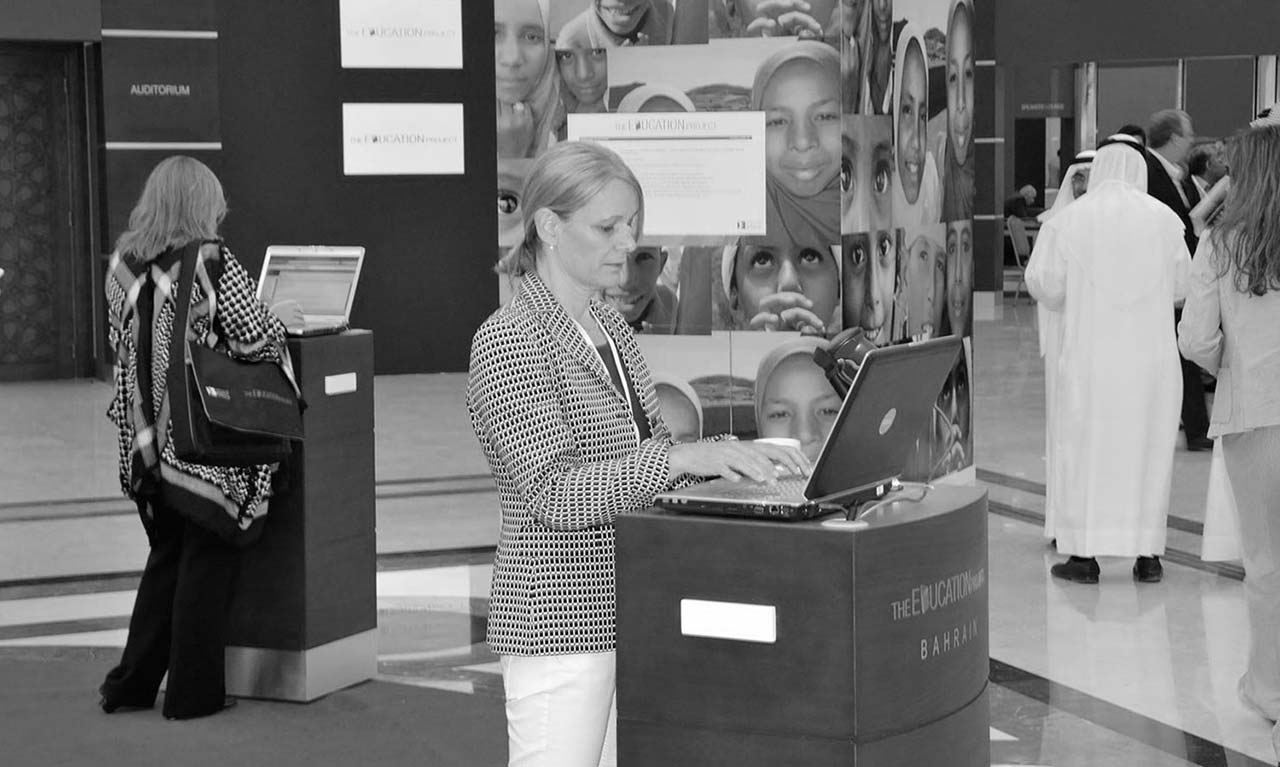
During the development of the strategy in coordination with the Bahrain Convention and Exhibition Centre, extensive consultations were conducted with stakeholders from the public and private sectors. Targeting the global market for the meetings, conferences and exhibitions sector, new and improved offerings for exhibitions, hotels, entertainment and recreational tools, in addition to investments in logistics and infrastructure constituted key elements in the strategy.
2006
HEALTHCARE REFORM
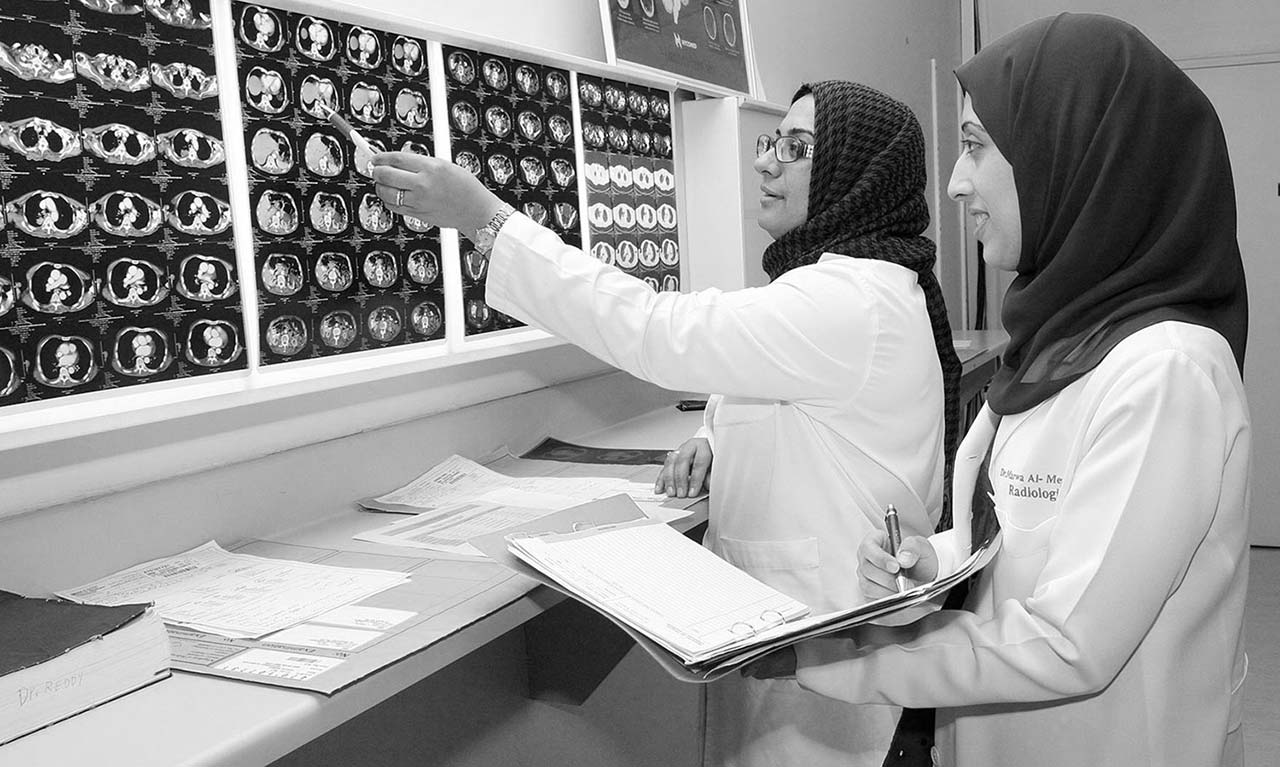
The Healthcare Professions Authority was established with the support of the EDB who helped develop the first draft of operating standards and licensing provisions for hospitals in the country. The Faculty of Health Sciences, in cooperation with the EDB and Tamkeen, started the implementation of a development project for the education and training of Bahraini nationals in the nursing and allied health professions.
2006
THE ESTABLISHMENT OF BAHRAIN MUMTALAKAT HOLDING COMPANY
Mumtalakat is responsible for the management of governmental non-oil assets and aims to increase revenues of the portfolio and enhance transparency in financial matters of the Kingdom.
2006

THE ESTABLISHMENT OF THE NATIONAL OIL AND GAS AUTHORITY (NOGA)
Aiming to regulate the oil and gas sector in the Kingdom, the EDB worked on the establishment of NOGA, the Supreme Petroleum Council and the Natural Gas Commission. NOGA was established to replace the Ministry of Energy, manage governmental oil assets and raise the value of portfolio returns from projects in this sector.
2007

PROMOTING THE KINGDOM
The EDB implemented an integrated campaign across multiple international media platforms. 'Business Friendly Bahrain' focused on highlighting the advantages offered by the Kingdom of Bahrain to international investors and the business sector. The campaign was developed and implemented in several languages - including English, German and Arabic -and featured in the most influential international and regional publications. It was supported by a significant presence online, as well as through outdoor advertising.
2007
BAHRAIN PEFORMANCE AND RANKING PROJECT
The global ranking project enables the EDB, government of Bahrain, investors and other related institutions to measure and rank the performance of the Kingdom at an international level, comparing it to the economies of other countries in a number of key areas, such as social and economic indicators. The results of the project provide useful indicators about performance of the government and private sector, and it also helps communicate the areas where the Kingdom achieves superior performance on a global level.
2008
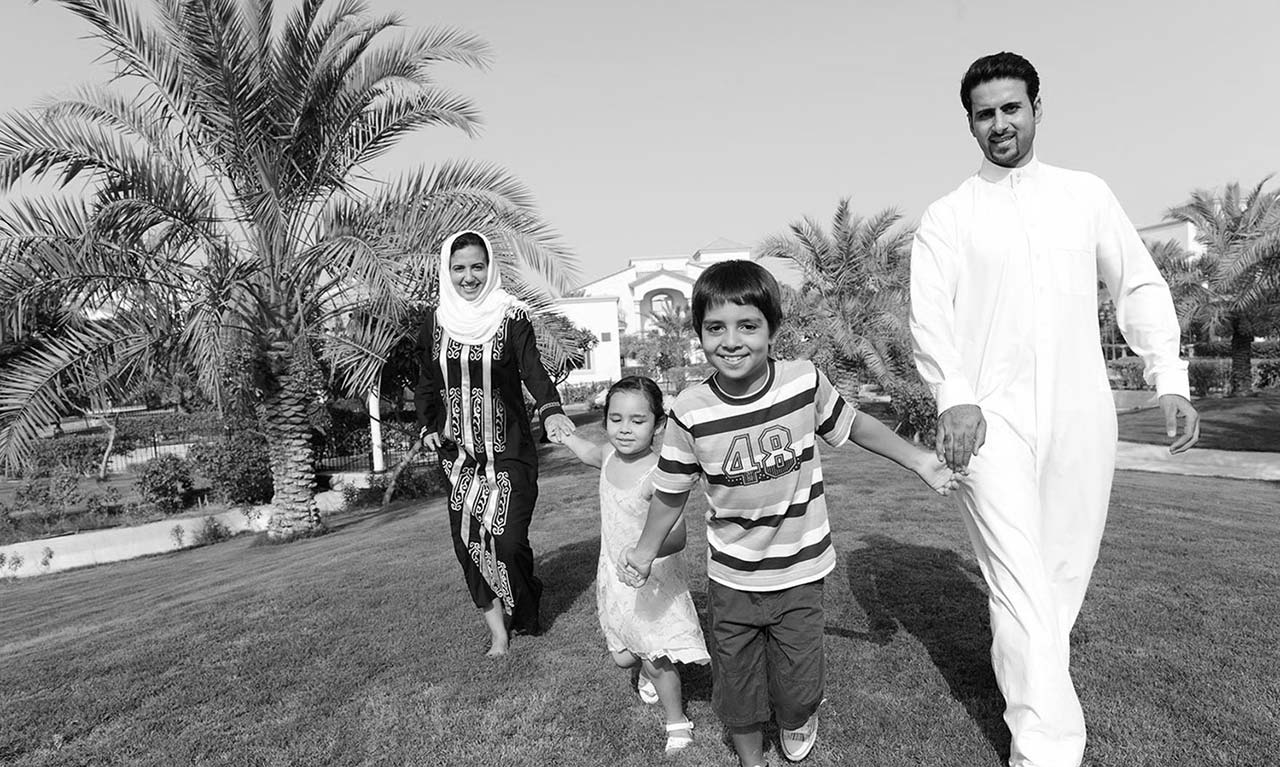
economic vision 2030 for bahrain
Privatisation projects that the EDB contributed to implementing include the privatisation of Seef Properties, the operation and management of the Khalifa Bin Salman Port and the privatisation of some electricity generating plants.
2008
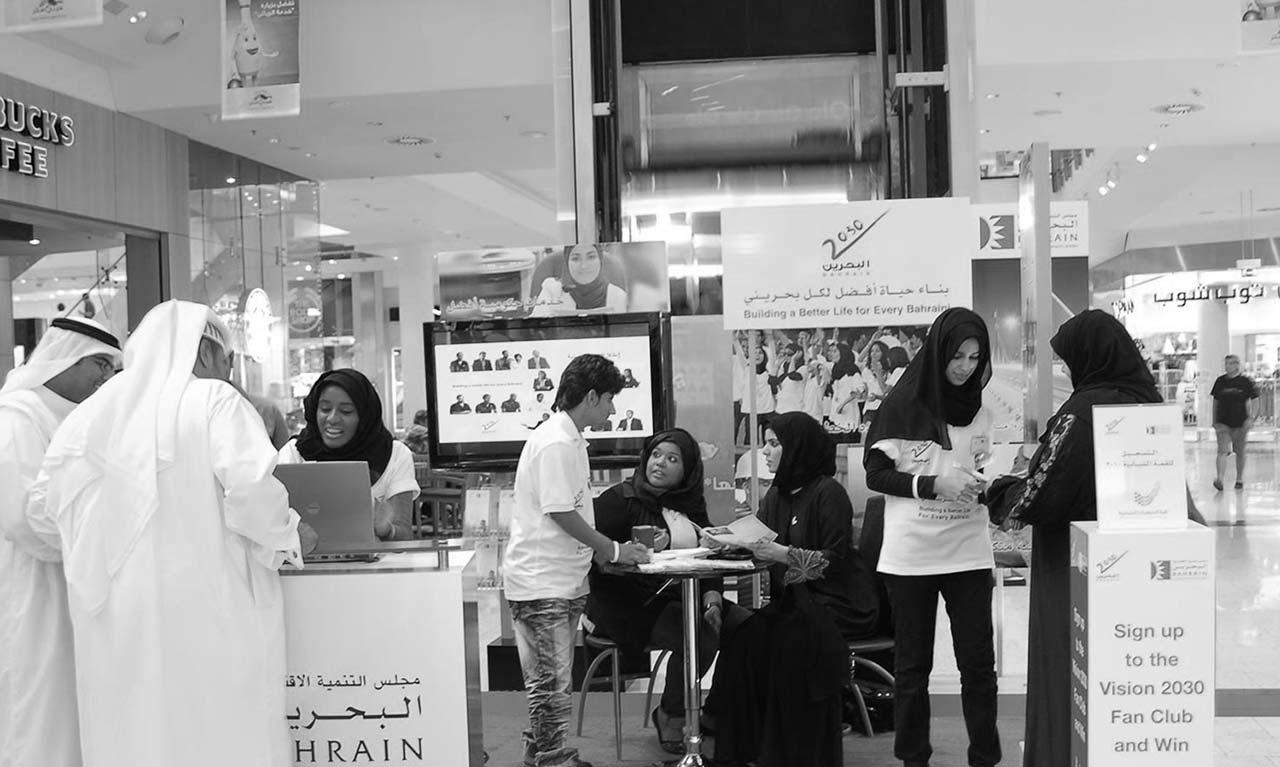
youth role in economic vision 2030
Since the launch of the Bahrain Economic Vision 2030 in the fourth quarter of 2008, the EDB worked on publicising the Vision and National Economic Strategy to all segments of Bahraini society, with a special emphasis on youth in the Kingdom. A range of initiatives to communicate the Economic Vision were undertaken, including direct meetings and information stands in public areas.
2008
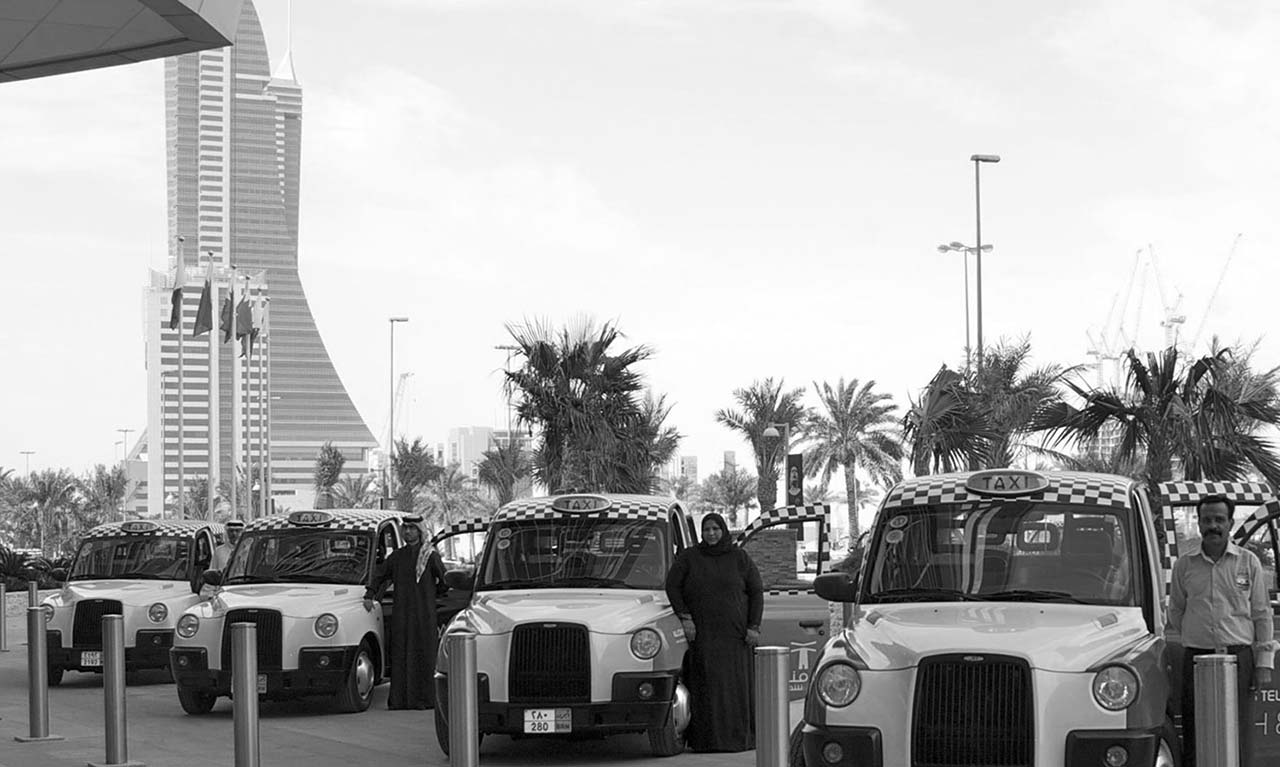
establishment of the arabian taxi company
The initiative focused on improving the quality of services, expanding workers' experience and facilitating their access to capital and insurance. It is a joint project between the EDB and the General Directorate of Traffic at Ministry of the Interior, as well as other partners such as the Ministry of Works, the Ministry of Justice and Islamic Affairs, Public Transportation, Bahrain Development Bank and the Association of Public Transport Drivers.
2009

commercial law reforms
The EDB worked with the Ministry of Justice in improving judicial dispute resolution and efficiency of civil and commercial courts and judicial procedures. This led to the launch of the Bahrain Chamber for Dispute Resolution in January 2010.
2010
development of media practices
The EDB, in cooperation with the Institute of Public Administration, launched the International High Diploma in Advanced Professional Public Relations, a global programme designed to enhance local capacities in the field of public relations. At the same time, the EDB embarked on specialized training programmes for over 50 official spokespeople representing the Kingdom's different ministries and governmental agencies.
2010
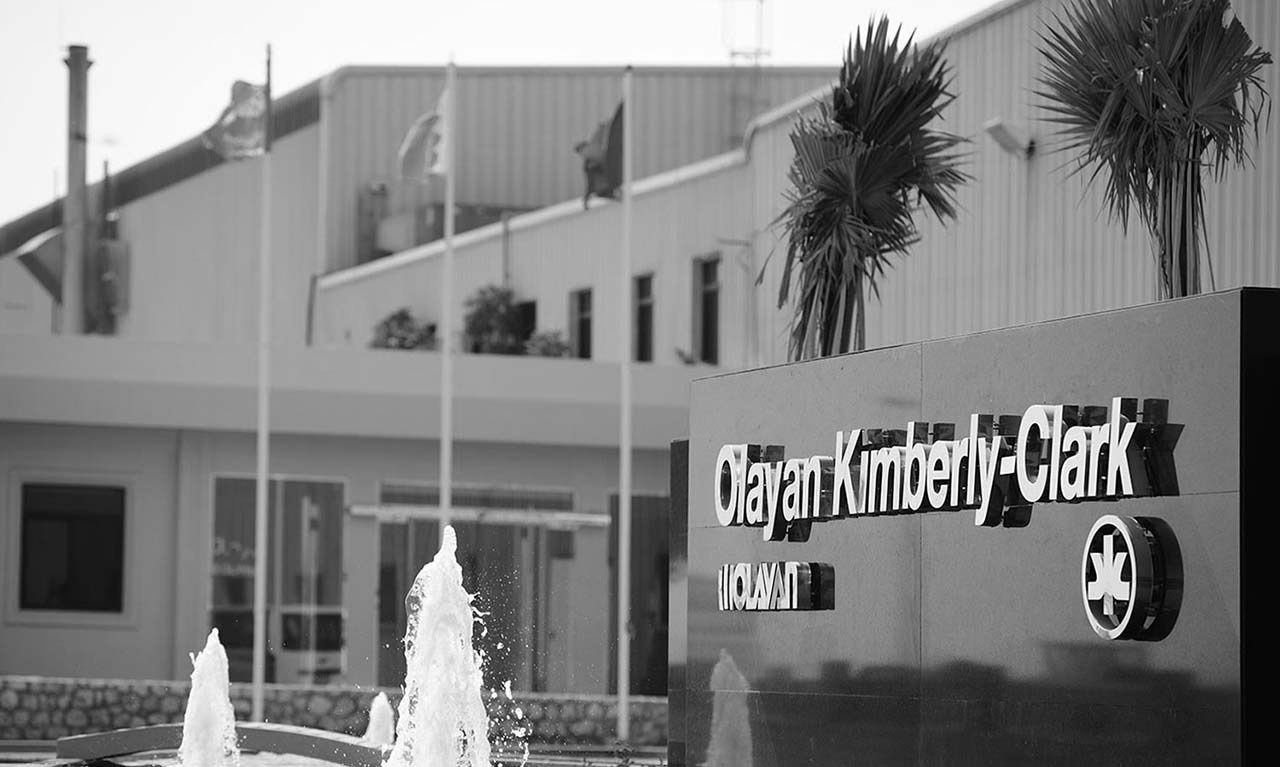
attracting foreign direct investment
The EDB organized numerous promotional tours for Bahrain in targeted global markets (Europe, the USA, the Republic of Turkey and some major Asian capitals), allowing Bahraini businessmen to directly communicate with foreign investors and engage them in profitable partnerships. These efforts of the EDB, in cooperation with the government and various partners in the private sector and the Bahrain Chamber of Commerce and Industry, to diversify the economy have led to increased flow of direct foreign investments.
2010
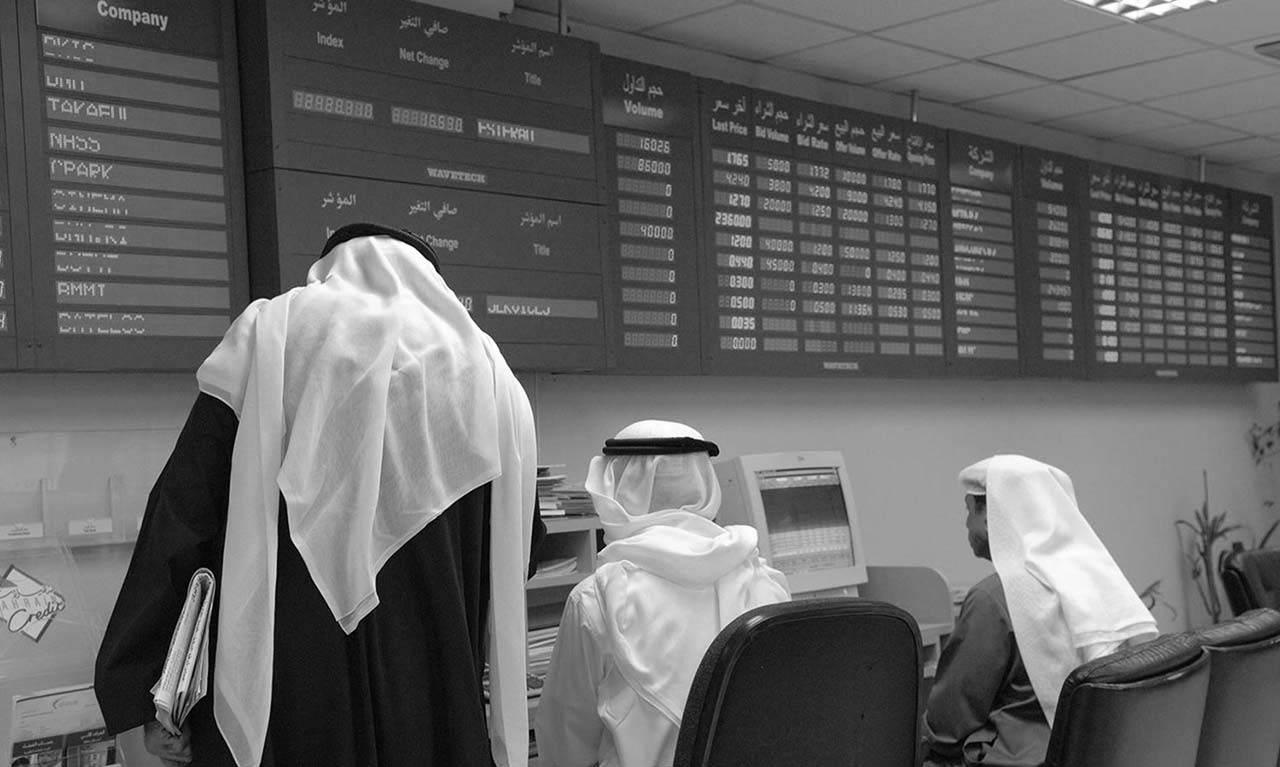
establishment of bahrain financial exchange
Through EDB support, the BFX received a license from the Central Bank of Bahrain for the inclusion of cash instruments and derivatives in multiple asset classes including currencies, commodities, stocks and debt instruments, for trading and clearing the market via intermediaries.
2011
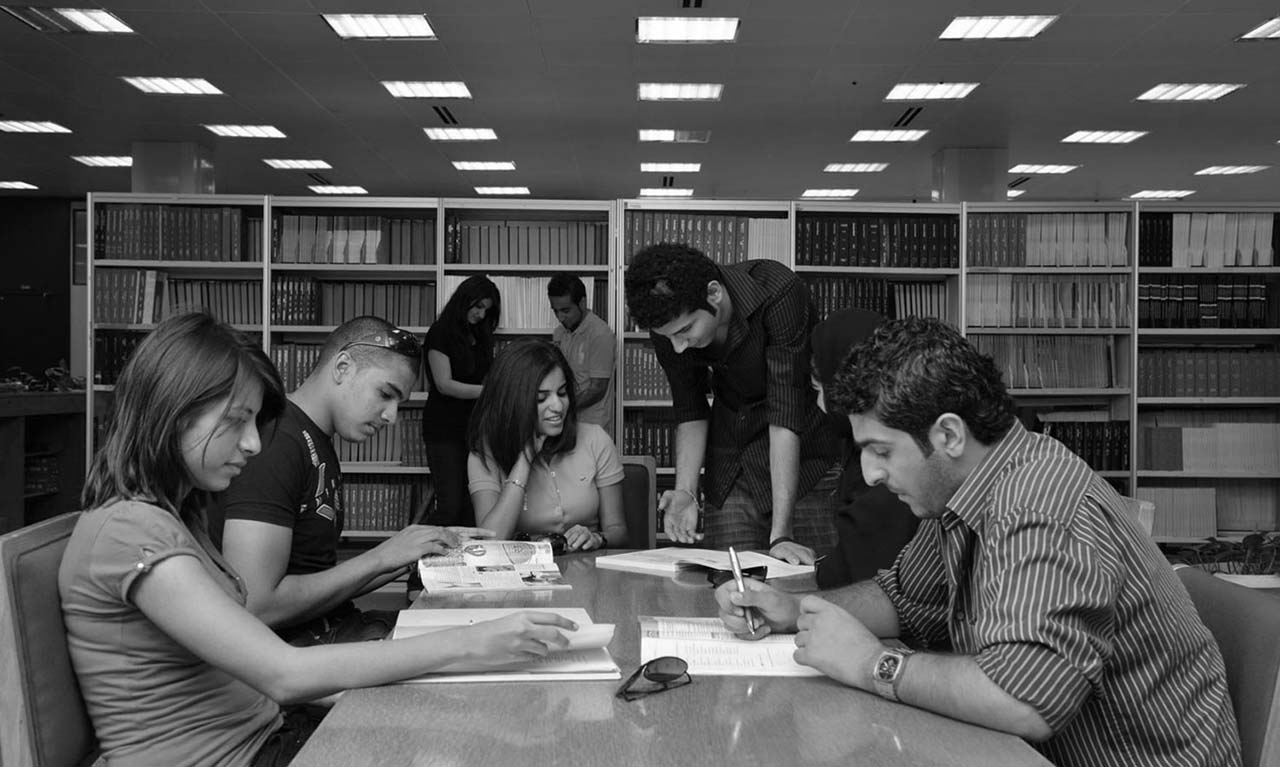
continued education reforms
Key educational developments included the establishment of a specialised college for the preparation and training of teachers and school principals to ensure the highest quality within the teaching profession.New paths for secondary technical and vocational paths based on apprenticeship schemes were developed to ensure the involvement of the private sector in the preparation and training of students, and a technical college was established.
2012

bahrain school agenda
The EDB published the Bahrain School Agenda, a strategic roadmap for public schools with over 80 initiatives designed to raise the performance of local schools.
2012
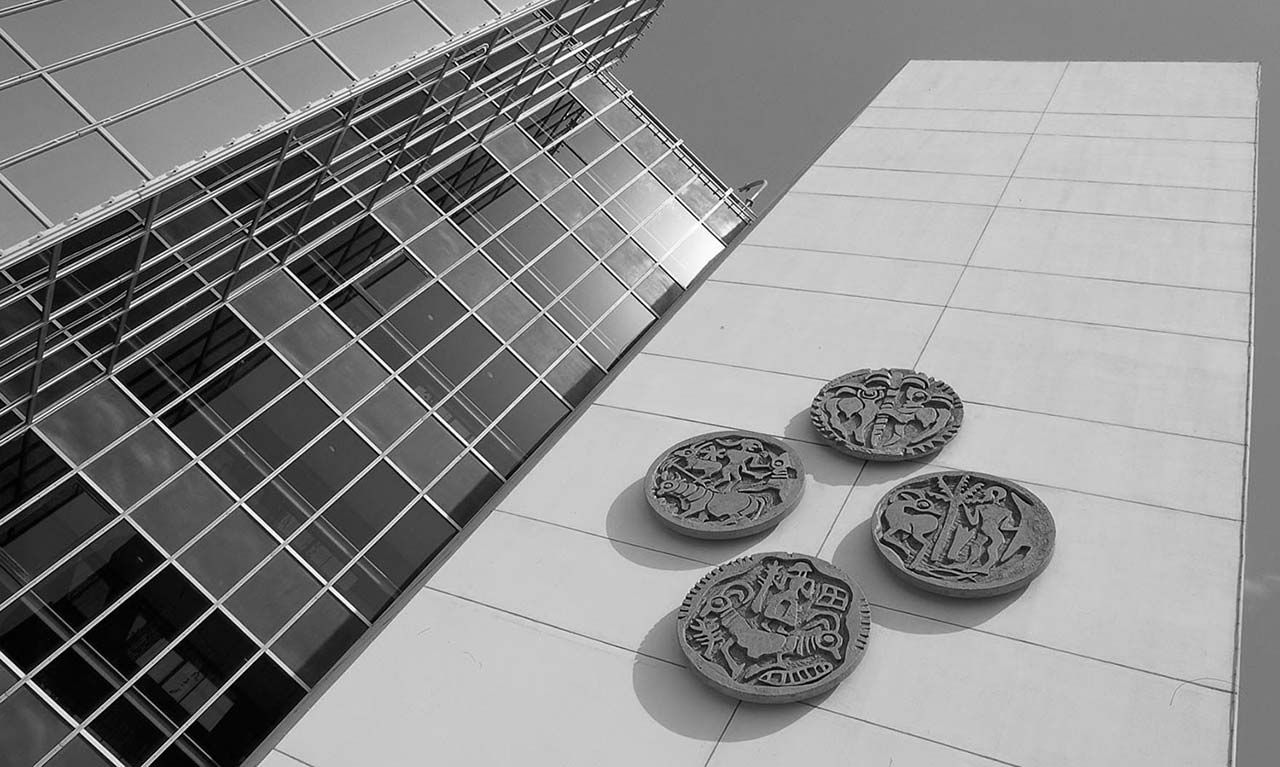
euromoney conferences
These were brought to Bahrain and the GCC for the first time by the EDB and launched as the Euromoney Private Banking Conference.
2012
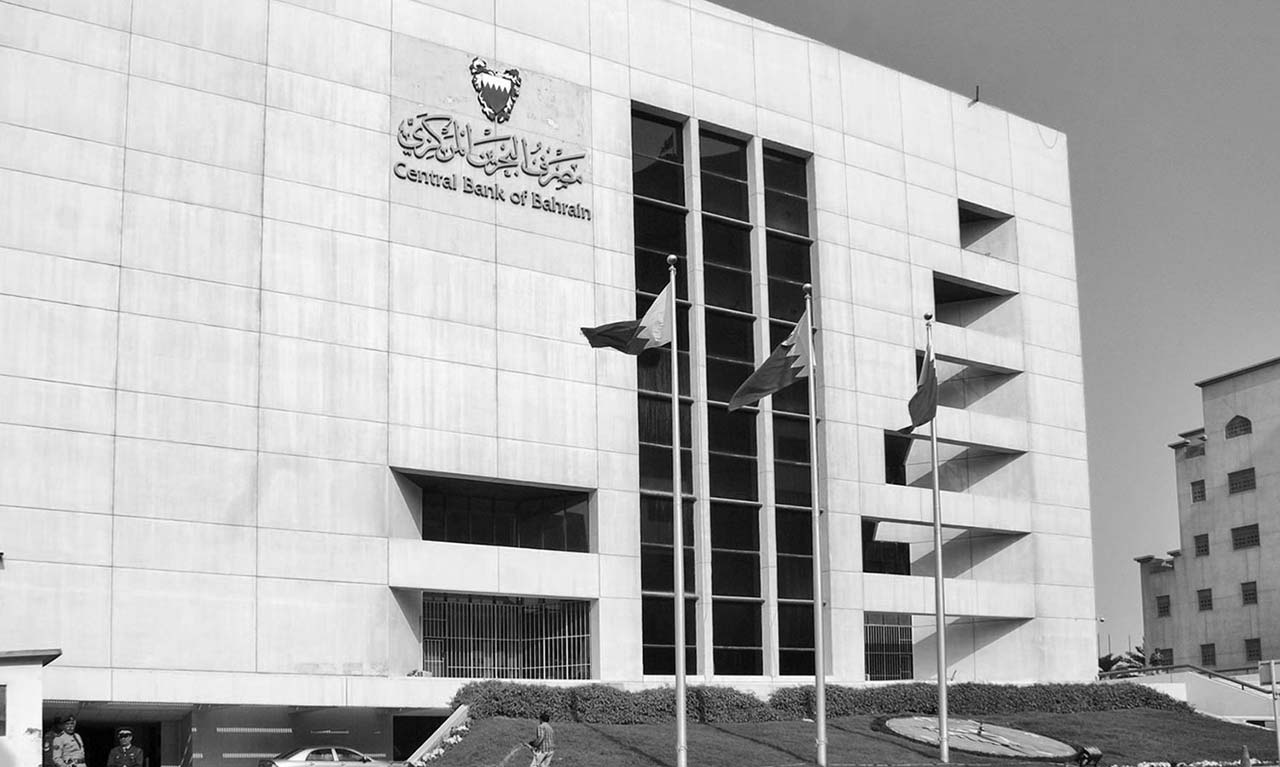
limited partnership law
Through collaboration with the Central Bank of Bahrain, a final draft of the Limited Partnership Law has been agreed. The law enhances the company structures acceptable in Bahrain and identifies new structures as well, including a private investment undertaking and the collective investment undertaking.
2012
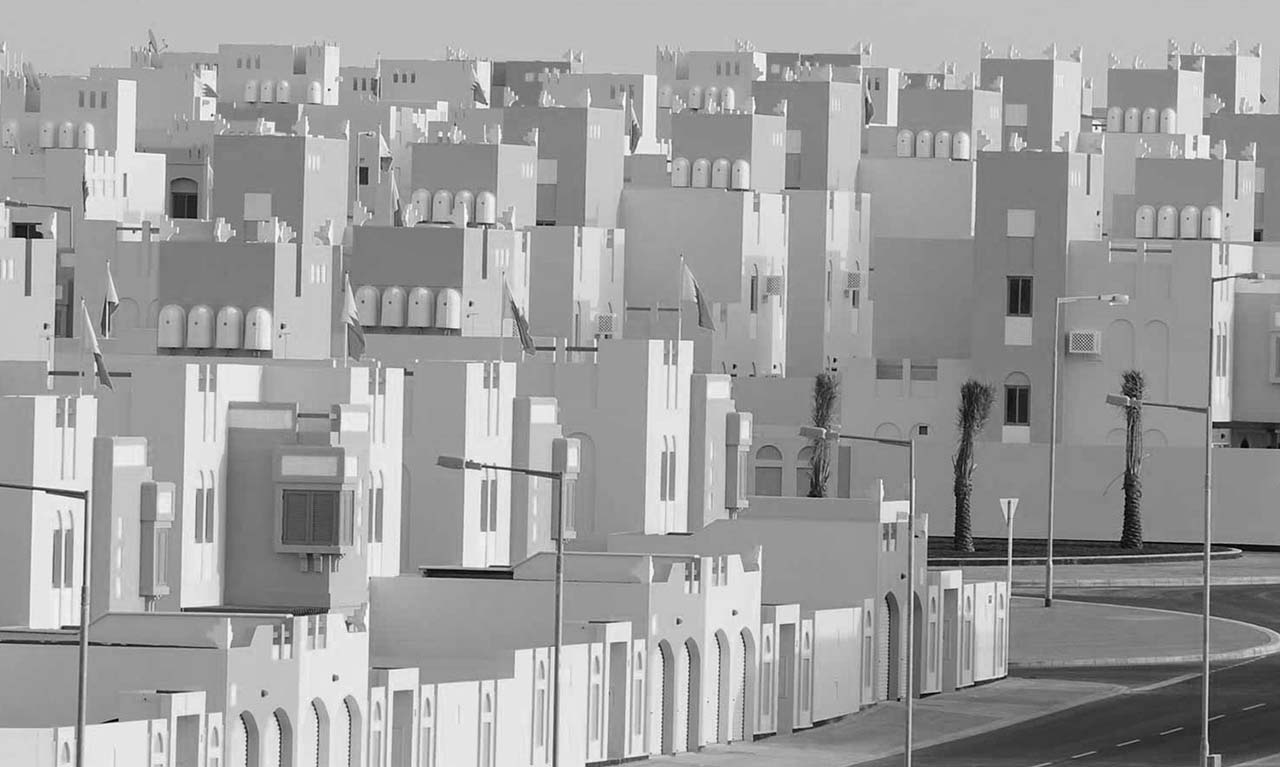
housing
The EDB worked with the Ministry of Housing to boost housing availability, the government signed a public-private partnership (PPP) with Naseej Properties to build 3,100 social housing units and 1,000 "affordable" housing units at a cost of BD208 million
2013

employability agenda
The EDB published the Employability Agenda, a strategic document setting out tailored plans designed to balance the supply and demand of education vis-Ã -vis employment and the enhancement of the skills and abilities of young Bahrainis competing in a diversified economy.
2013
company law
A draft law amending certain provisions of the Company Law was developed in cooperation with the Ministry of Industry and Commerce. The amendments reduce many of the restrictions on foreign investors including the minimum capital required for establishment and allow companies to be set up more easily.